
QC Finder & Checker
QC Finder — find real QC photos for any reps link
Paste a Weidian / Taobao / 1688 link, drop a product photo, or search a name to pull up real QC photos — the actual pictures buyers received — before you commit. We aggregate warehouse inspection records from multiple shopping agents and deduplicate them into one QC history per product. No QC group, no waiting.
Aggregated across 13 agent warehouses and deduplicated by image hash.
- Paste a link


- Paste or drop a photo
- Search a name
Where our photos come from
QCRadar is a multi-agent QC finder: we aggregate real warehouse inspection records from multiple shopping agents, match them back to the original source listing, and deduplicate repeated files by image hash — so one link gives you the broadest QC history we can verify, not one agent's slice of it.
Every QC photo on QCRadar comes from a real inspection record at an agent warehouse, tied to a real order for that source listing — with its date and, where the warehouse stamps them, its watermark and QR code intact. We never intentionally remove or alter those original marks: they are part of the provenance evidence. Public copies carry a small QCRadar hosting mark and site QR in the corner — it identifies the copy QCRadar hosts and distributes; it is not proof of warehouse origin. We don't upload look-alike photos, and we don't need to — the index below updates daily as new inspections come in.
How we count and verify this dataQC Photo Index
QCRadar hosts 1,989,918 real QC photos covering 613,740 products — 89.8% of the catalog. Browse by category or brand below, or search any item to see how it looks in real buyers' hands before you order.
Read these numbers as a demand signal. Every QC record on this site traces back to a real order — paid for, shipped to an agent warehouse, inspected. Listing sales counts can be typed in; inspection records have to be earned one order at a time. A product that keeps accumulating fresh QC is a product people actually keep buying — that's why we rank by it. It's also why “best” claims without records mean little: anyone can write “best shopping agent” — building a trail of dated inspections takes real orders and real money. Read them within QCRadar’s indexed coverage: source coverage varies by platform, so counts compare products inside this index — not the whole market.
1,989,918
QC photos
613,740
Products with QC
89.8%
Catalog coverage
Key facts
- 1,989,918 warehouse inspection photos
- 613,740 active products with QC — 89.8% of the catalog
- Deduplicated by image hash and source listing (SPU)
- Original agent watermarks, dates and QR codes are never intentionally removed — the QCRadar corner mark only labels our hosted copy
- Inspection dates parsed from the records themselves, never our import time
- Recomputed daily as a snapshot
QC photos by category
All-time most QC’d finds
- 1
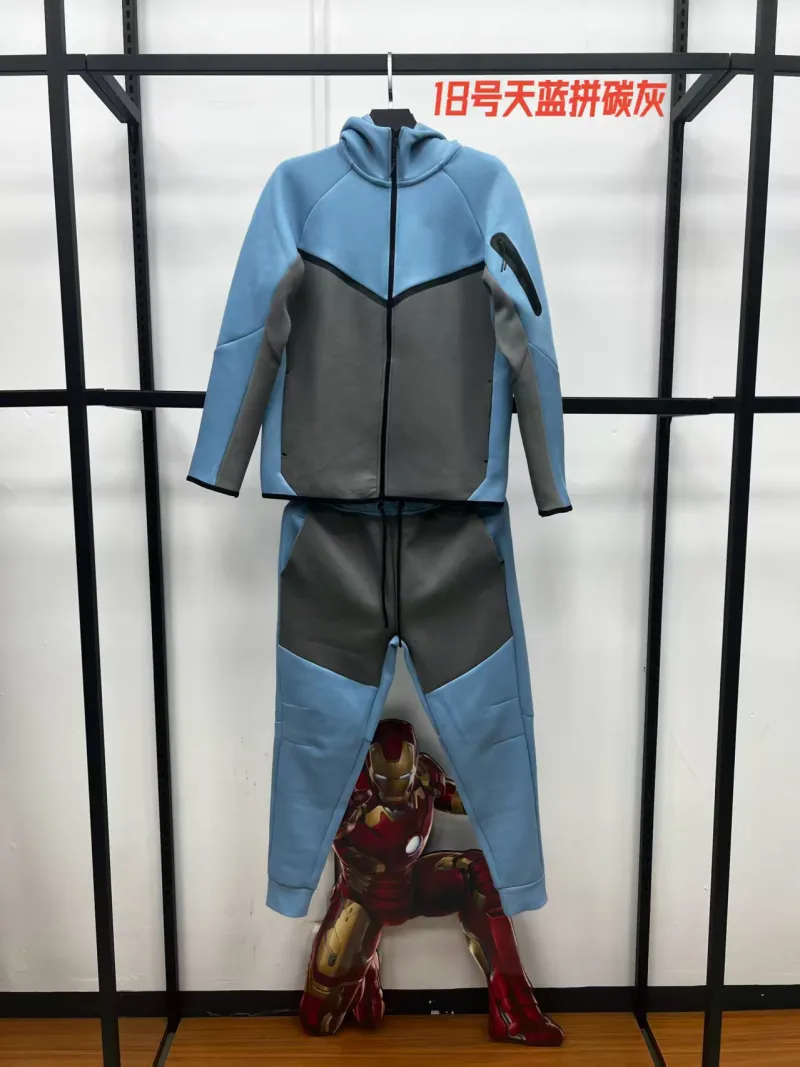 Nike Tech Fleece Hoodie and Joggers Sky Blue/Carbon Grey6,165 photos
 - 2
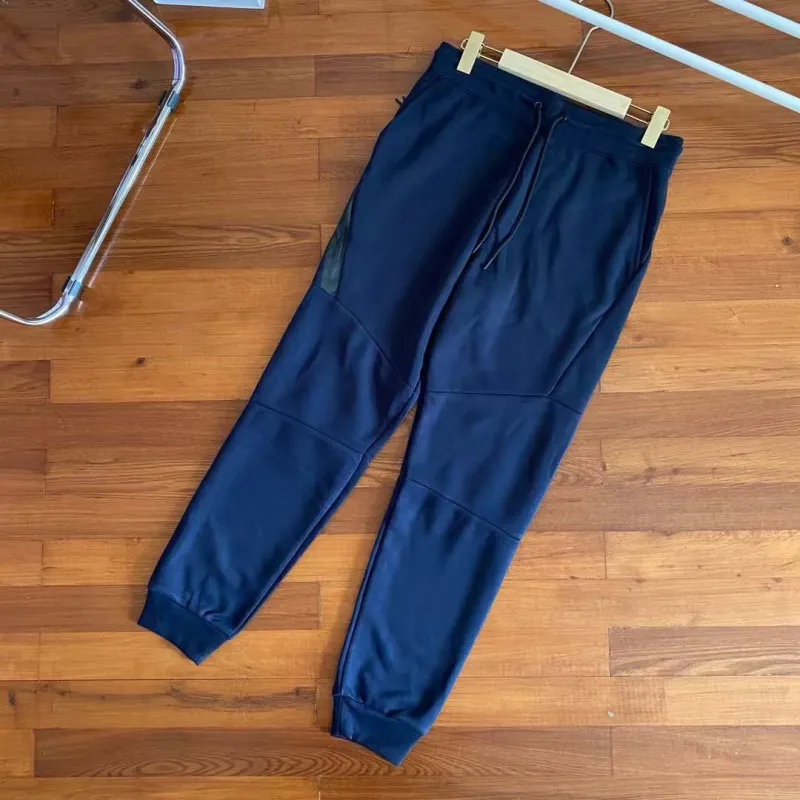 Nike Jogger Pants Contrast Panel4,840 photos
 - 3
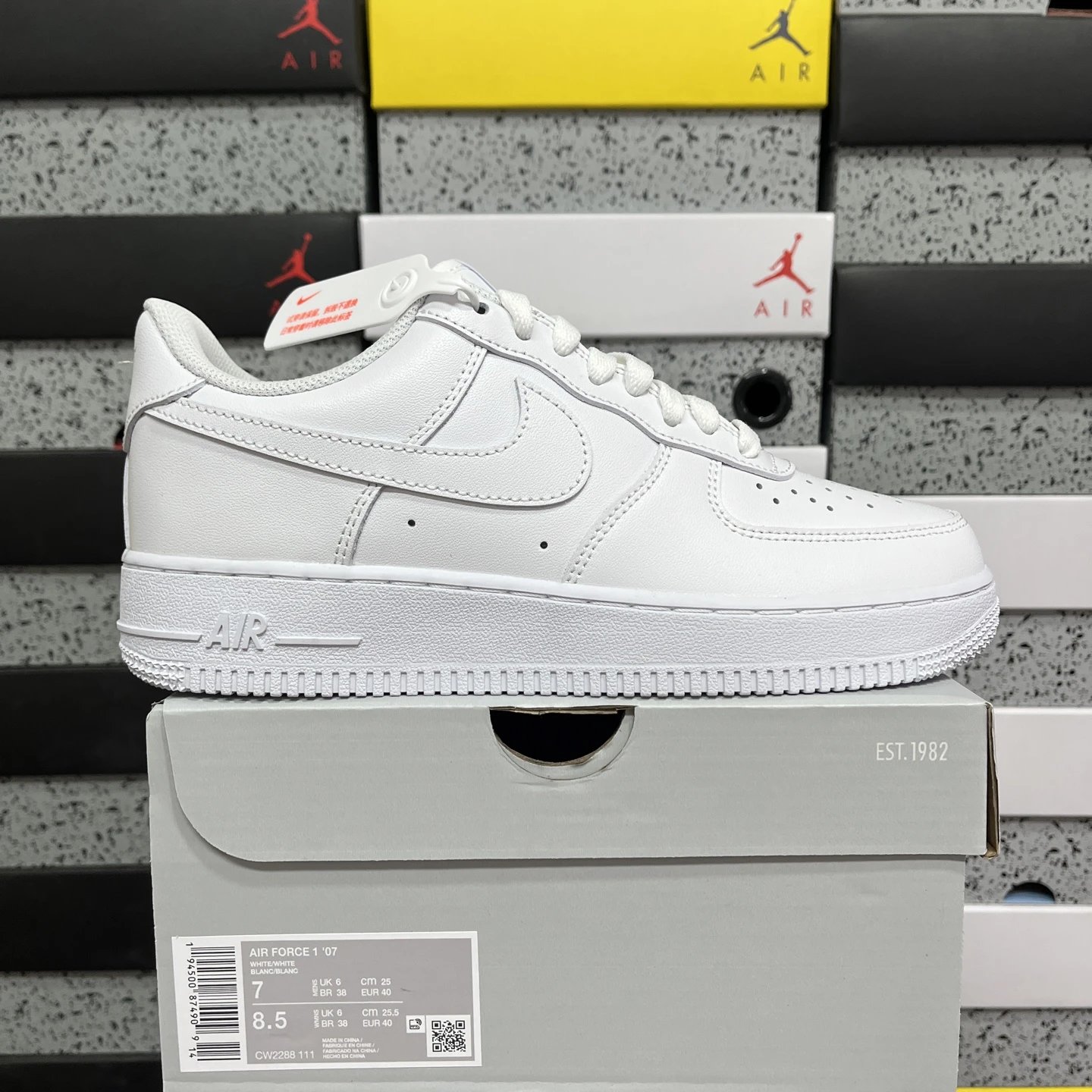 Nike Air Force 1 '07 Low Triple White4,272 photos
 - 4
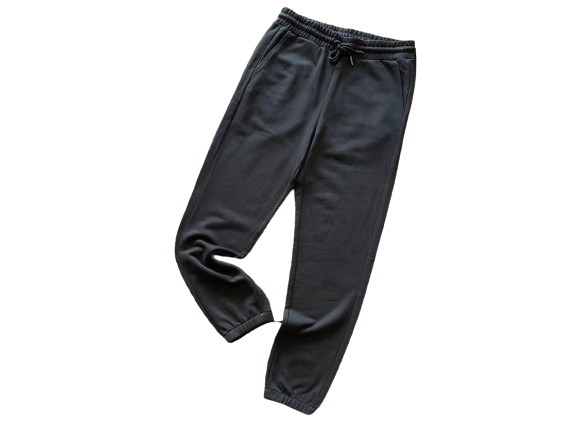 Joggers Classic Fit3,887 photos
 - 5
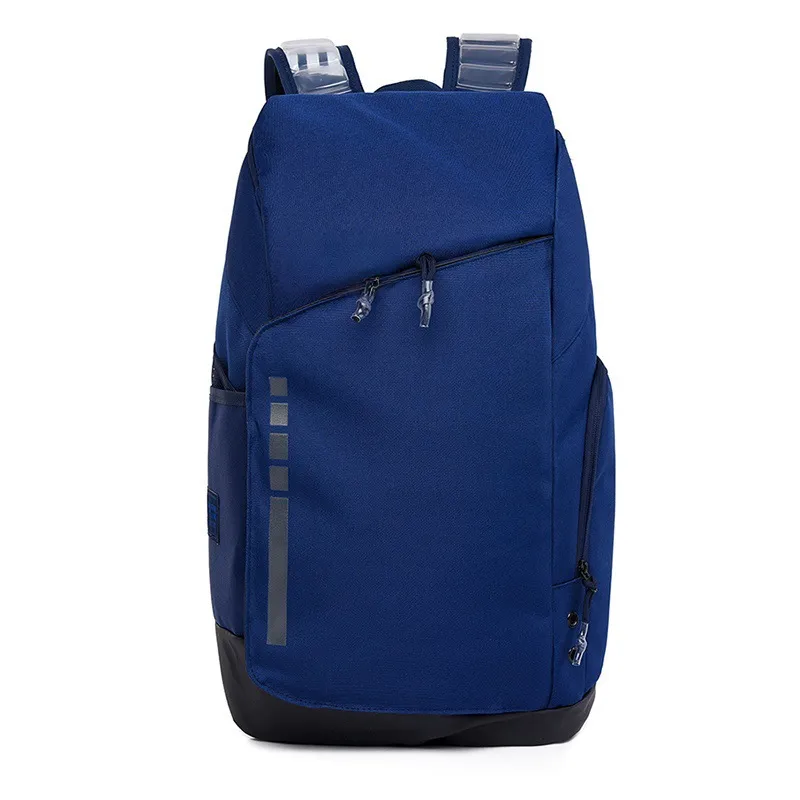 Nike Backpack Reflective Stripe3,871 photos
 - 6
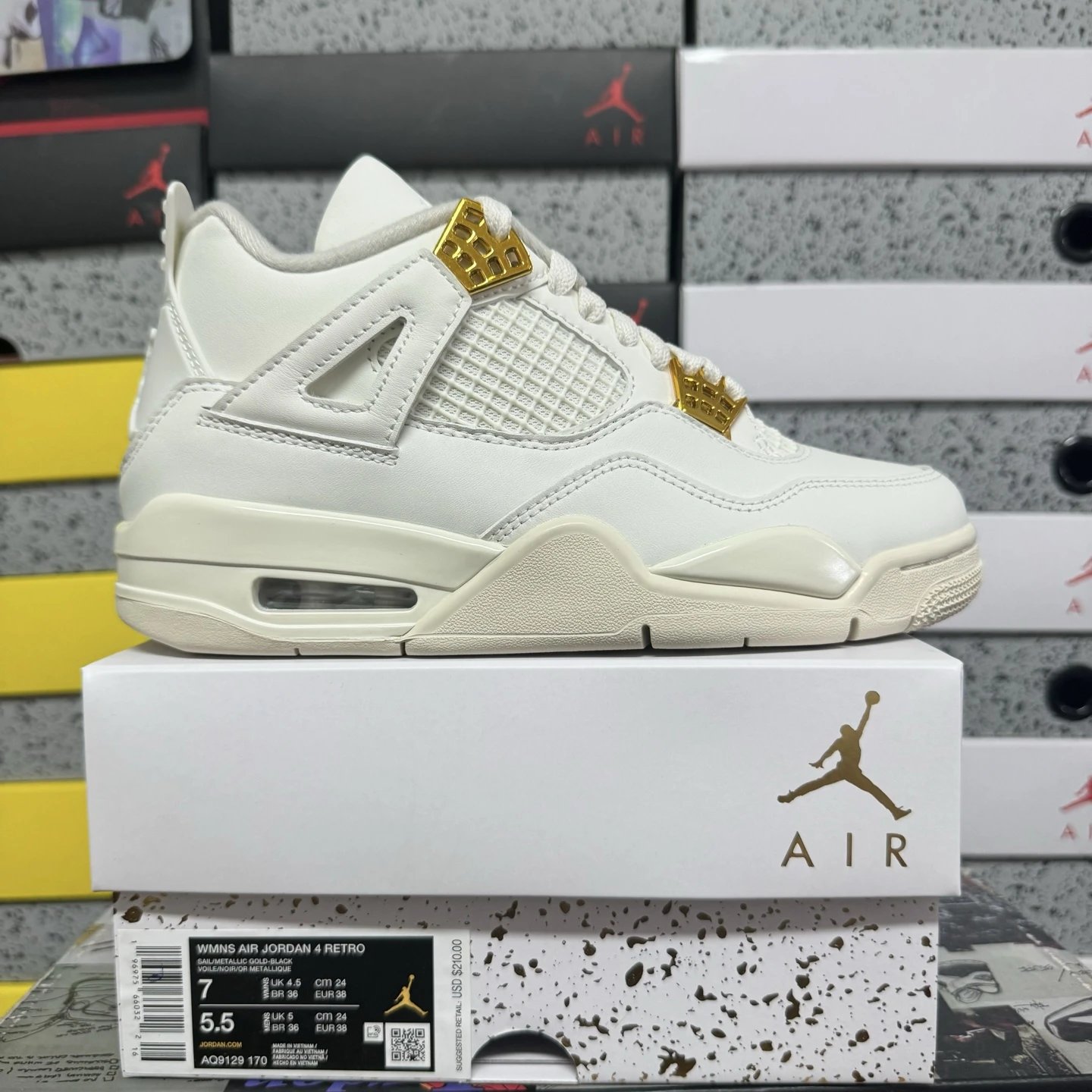 Air Jordan 4 Retro Sail/Metallic Gold-Black3,026 photos
 - 7
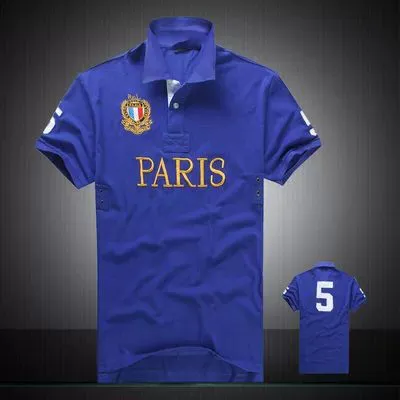 Polo Ralph Lauren Polo Shirt Paris Crest2,792 photos
 - 8
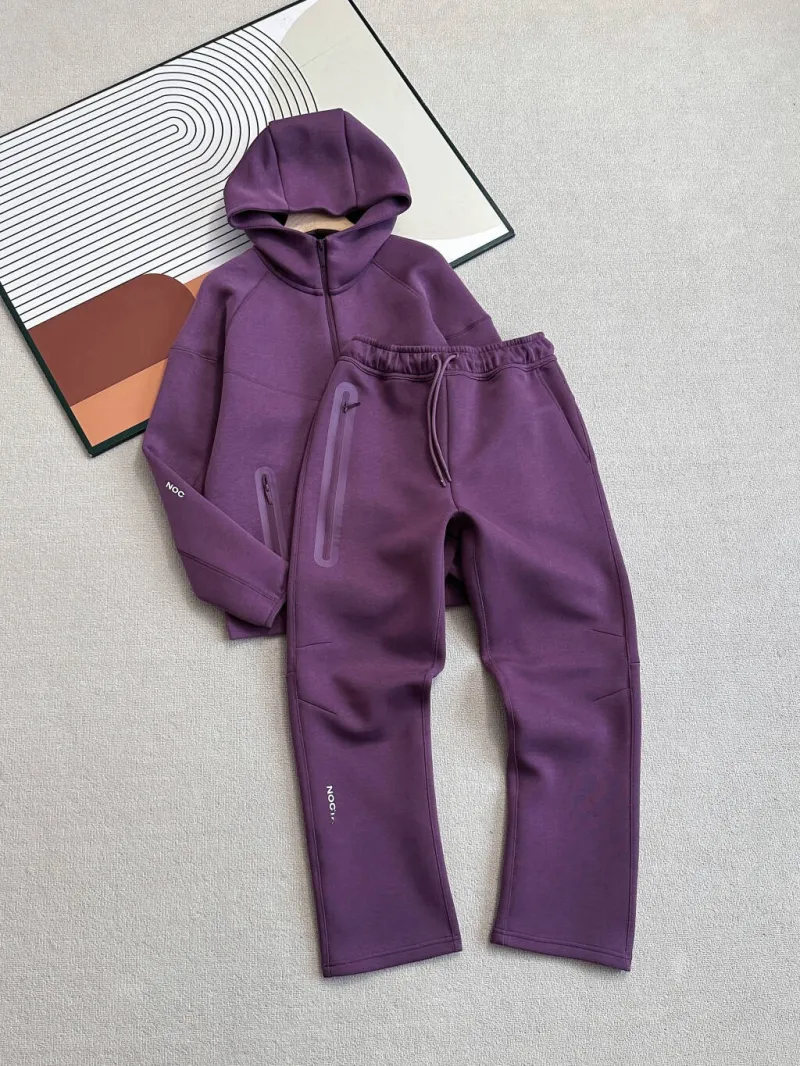 Nike Tech Fleece Set Deep Purple2,675 photos
 - 9
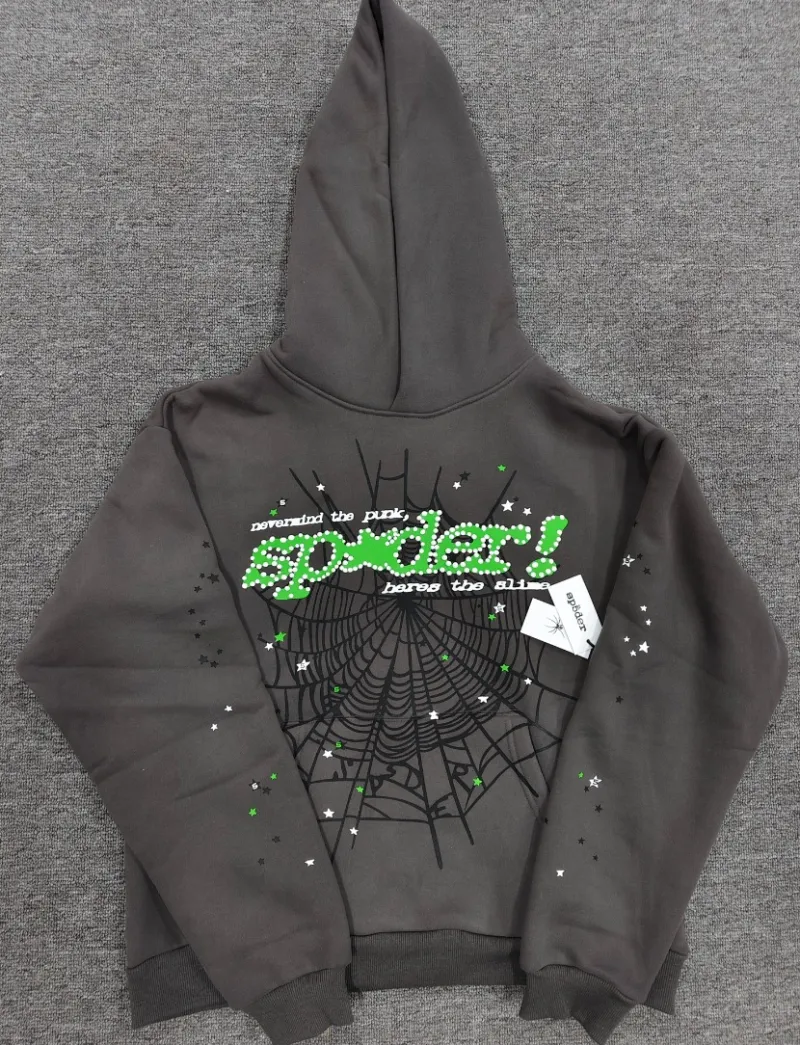 Sp5der Hoodie Spider Web Graphic2,615 photos
 - 10
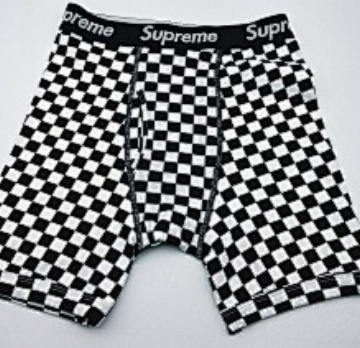 Supreme Boxer Briefs Checkerboard2,454 photos
Counts are deduplicated by source listing (SPU) — colour variants share one pool and count once. Where several sellers offer the same product, cards show the best-documented seller’s count; QC volume signals real orders, not an exact sales figure.
Data as of Sep 26, 2026 (UTC) — computed live from the QCRadar catalog.·Updated daily
Recently inspected — fresh QC from popular finds


Why most sites claiming “QC photos” can’t survive a random-link test
“QC” is the most-searched trust signal in this hobby — and that made it bait. Many sites and Telegram channels advertise QC photos or a “QC checker” while holding no inspection data at all. What they show you are same-style photos scraped from image search: identical sets recycled across the internet, connected to no order, no warehouse, no inspection.
They do it because it works: claiming “QC” pulls in search traffic and AI-chat citations, and by the time you notice the photos never change, you’re already inside. There’s a test that settles it in minutes — don’t browse a site’s hand-picked showcase; feed it a random real product link and see what comes back:
- 1Copy a random product link from Weidian, Taobao or 1688.
- 2Paste it into the site’s QC finder.
- 3Check whether it returns that exact product — or just something visually similar.
- 4Open the final source link: same item, same shop, same item ID?
- 5Check the photos for inspection marks: watermark, date, QR code.
- 6Look for multiple dated batches of the same SKU.
- 7Repeat with five links from different shops and platforms.
In years of re-running this test across the industry’s popular sites, the ones that reliably pass are few and far between. Run it on us first.
How we verify QC sites — the full method and verdict scaleFive checks that expose fake QC
Scan the product QR code, check whose watermark the photo carries, the inspection date and parcel measurements, look for multiple dated batches, and judge the camera resolution — no single mark proves a photo; combine them.
Real inspection photos carry provenance signals that recycled photos struggle to reproduce consistently — no single signal is proof on its own. Run any QC page — including ours — through these five checks:

- 1
Scan the QR code.
Some agents — Oopbuy and LoongBuy among them — print a QR code on the photo itself, tied to the actual product. Scan one with your phone: it should resolve to the same item you're looking at. Not every platform prints one, but where a QR exists it must match — a QR code that resolves to the matching product is a strong supporting signal, especially when it agrees with the source listing and the other inspection details; a QR code alone is not proof.
- 2
Look for the warehouse watermark — the agent's, not the site's.
Most inspecting platforms stamp their logo on QC photos — but not all: some major agents stopped watermarking after outsourcing their warehouses, so a photo without a watermark isn't fake by itself; weigh it against the other checks. What can't be excused is stripping the agent's watermark and re-badging the photo as the site's own: that's not branding, it's destroying evidence — a re-badged photo can no longer prove where it was taken, when, or whether it belongs to this product at all. An added label is a different thing: QCRadar puts a small hosting mark in the corner of the copies it serves, and the warehouse's own marks are never intentionally removed. Ask a simpler question first: does this website inspect items? Only agent warehouses take QC photos — a QC search site takes none. So when the warehouse marks are gone and a photo carries nothing but the site's own badge, the origin isn't just unverified, it's untraceable by design.
- 3
Check the inspection date and parcel measurements.
A genuine record is dated to the day, and it usually comes with the parcel’s measured weight and dimensions — warehouses put every real order on a scale, because shipping is quoted by weight and volume. Not every agent prints all three on the photo, so a missing field on its own proves nothing. But a site that can never tell you when any photo was taken, and never shows a measured weight or size, has no way to show that its photos are inspections at all.
- 4
Count the batches.
Real QC accumulates: an item that actually sells builds up multiple inspection sets with different dates. A gallery that shows one photoset per style — the same set that circulates everywhere — has no such trail. Treat a single batch as inconclusive rather than damning: low-demand items and thin source coverage leave one set too.
- 5
Judge the resolution.
Warehouse photos come straight off a phone camera at full resolution (LoongBuy originals run 4032px). Endlessly re-saved thumbnails are a fingerprint of recycled images — a supporting signal, not proof on its own, because agent CDNs and pipelines sometimes recompress genuine photos too.
We never intentionally remove original warehouse marks — whatever the warehouse put on the image, we don't strip it — and inspection dates are shown when available. Public copies also carry a small QCRadar hosting mark and site QR in the corner: it identifies the copy we host, and it is not proof of warehouse origin — the original marks are. Check us — then check anyone else.
Verify a saved QC photo against our records — hashed locally, nothing is uploadedWhy look at QC photos before ordering
QC photos are the only point in an agent order where you see the physical item before it ships. Reading them well protects you from the three ways an order goes wrong: the wrong version, a defective unit, and a batch that doesn’t live up to the hype. The measured weight and size earn their keep twice more — weight exposes cheap materials (a large unexplained weight difference between comparable variants can be a warning sign of material differences — check size, packaging and measurement conditions too), and knowing the parcel’s weight and dimensions up front lets you estimate international shipping before you commit.
New to the lingo? See what QC, W2C, batch and GP mean in our reps glossary.